Geocaching is the treasure hunting of the digital age. All over the world, people have hidden containers, called geocaches, and published their map coordinates online. You use your phone to find your way there, then search for the hidden cache, sign the logbook inside and put it back for the next person.
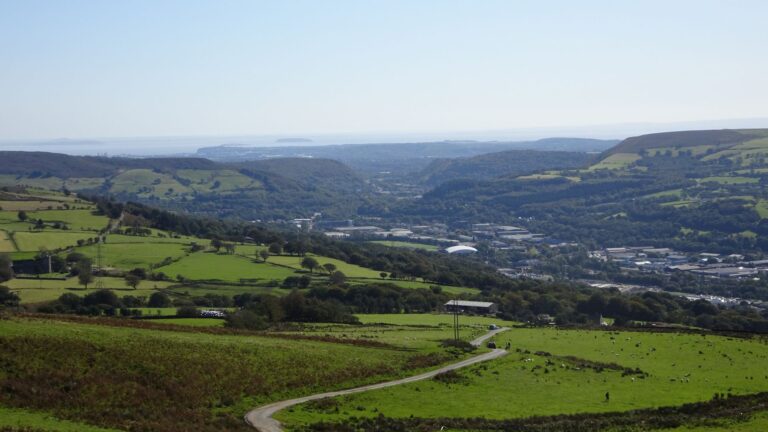
It’s a brilliant way to get kids (and grown-ups) out walking, and it takes you to corners of your own area you’d never normally notice. With the Taff Trail, the parks and the open hill on our doorstep, Rhydyfelin is a great place to start.
How to get started
- Download the free Geocaching app from the App Store or Google Play, and create an account. A free Basic membership is enough to get going.
- Open the map and look for caches near you. Each listing tells you how hard the cache is to find and how tricky the ground is, rated out of five.
- Head to the location using the app, then start searching. Phone GPS will usually only get you within a few metres, so the hunt is part of the fun. Read the hint if you get stuck.
- Sign the logbook with your geocaching username and the date.
- Put the cache back exactly where you found it, hidden just as well as it was.
- Log your find in the app.
Bring your own pen. Many caches are too small to hold one.
Finding caches near Rhydyfelin
Geocaches come and go. New ones are hidden all the time, and old ones are archived when they go missing or their owners move on. That’s why we’re not listing individual caches here: the app’s map is always the most up-to-date place to look.
Good places to check on the map include the Taff Trail, which runs right through the village, the parks in Pontypridd, and the paths up onto the hill. Some caches are for Premium members only, and on the free version the app limits which ones you can see. You can upgrade later if you get hooked.
For ideas on where to start, our Parks guide covers the green spaces in and around the village.
Know your caches
Caches come in different sizes:
- Micro: tiny, often a film canister or a magnetic pot, holding just a rolled-up paper log.
- Small: about the size of a sandwich box.
- Regular: larger tubs, with room for small swaps and trackables.
There are different types too. A Traditional cache is simply at the coordinates shown. A Multi-cache takes you to several locations, with clues at each. A Mystery cache means solving a puzzle first to work out where it is. An EarthCache has no container at all: you learn about a geological feature and answer questions about it.
Trackables
Some caches contain trackables, such as Travel Bugs and geocoins. Each one has a unique code and its own mission, travelling from cache to cache around the world. If you find one, you can move it on to another cache, or just log that you’ve seen it and leave it where it is.
Geocaching etiquette
- Follow the Countryside Code. Leave gates as you find them, keep dogs under control, and take your litter home.
- Don’t trespass, and never dig or damage plants, walls or fences looking for a cache.
- Be discreet. People who don’t play are sometimes called “muggles”. If someone’s watching, wander off and come back later so the cache doesn’t get disturbed or removed.
- Swap fair. If you take something from a cache, leave something of equal or greater value. No food, and nothing dangerous.
- Cache In, Trash Out. Take a bag and pick up any litter you pass. Geocachers also organise CITO events, where groups get together to clear up a local spot.
Hiding your own cache
Once you’ve found a few, you might fancy hiding one. Geocaching’s own guidelines say you’ll need the permission of the landowner or land manager, your cache must be at least 0.1 miles (161 metres) from any other physical cache, and nothing should be buried or damage the environment. You’re also responsible for looking after it. Read the full geocaching guidelines(opens in a new tab) before you start.
Happy hunting!